The first time you flip over a cannabis package, the amount of information on the label can feel out of proportion to the product. THC percentages, cannabinoid ratios, terpene profiles, batch numbers, lab dates, dose per serving, dose per package, warnings, symbols, expiration dates — all in tiny type. Most of it does not affect the day-to-day shopping decision.
Cannabis packaging in most legal states now looks a lot like packaged food or supplements: a nutrition-label-adjacent block, a warnings block, a compliance block, and a marketing block.
The most relevant pieces of information as a consumer are:
Total THC percentage or per-serving milligrams
Total CBD and other cannabinoid content
Dominant terpenes if listed
Batch or harvest date
Certificate of analysis (COA) reference
Everything else is generally regulatory (warnings, licensing, legalese) or marketing (branding, strain lineage claims). Those things matter too, but aren’t as helpful in terms of what a product is going to feel like to you.
For flower, THC is expressed as a percentage of total weight — a 22% THC flower is 22% THC by weight. For edibles and beverages, it is expressed in milligrams per serving and per package. The two are not directly comparable across formats.
A 5 mg cannabis gummy will produce a different experience than a 22% THC pre-roll, even though the numbers may appear small either way. The delivery format changes the onset speed, duration, and intensity more than the raw milligram count.
CBD is measured the same way — as a percentage or as milligrams. Products with a CBD-to-THC ratio (often called 1:1 or 2:1 formulas) tend to feel less intoxicating at the same THC dose because CBD moderates some of THC’s effects. Our cannabinoid overview covers some of the other cannabinoids (CBN, CBG, CBC) that most often show up on the label.
Format
How THC is measured
Typical starting dose
Flower / pre-roll
% of total weight
15–20% is common for new consumers
Edibles
mg per serving
2.5–5 mg
Beverages
mg per can/bottle
2–5 mg
Tinctures
mg per dropper
2.5–5 mg
Concentrates
% of total weight
Not recommended for new consumers
Terpene data is where a label goes from useful to actually predictive. If a flower label lists dominant terpenes (usually the top two or three, in percentage format), that can often tell you more about how it will feel than the THC percentage does.
Not every product includes a terpene panel on the front label. Many push it to the Certificate of Analysis (COA), which is a detailed lab report you can usually pull up by scanning a QR code on the packaging. Terpene content is one of the more useful things on any cannabis product, and it is often just one tap away.
Flavorful, high-quality flower:
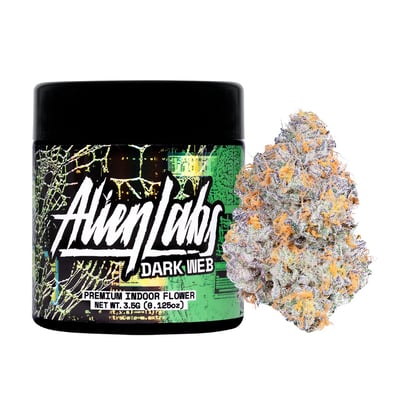

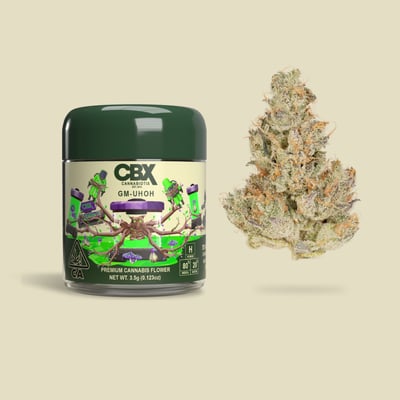
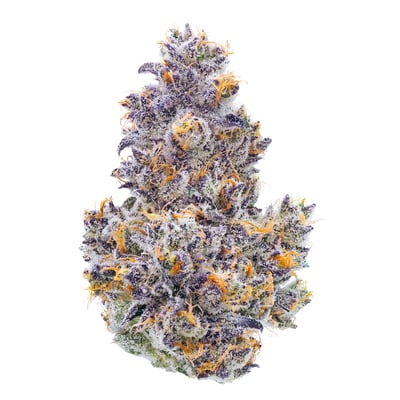


Cannabis flower loses terpenes and shifts cannabinoid ratios over time. Fresh flower that’s been cured and packaged within the last three to six months tends to be more aromatic and truer to its intended effect. Flower older than a year can still be enjoyable, but it can feel more sedating (as THC converts to CBN) and less flavorful.
For edibles and beverages, the batch date matters less unless the product is close to expiration or has been stored in heat.
What you can usually skip or skim
A lot of what is on a cannabis label is compliance boilerplate. Standard warnings, licensing numbers, tax stamps, and required health language are important for the state, but they don’t influence the shopping decision or give you any product-specific info; the same warning is on every product.
In a similar vein, marketing claims about strain lineage, breeder pedigree, or awards are interesting but shouldn’t be your primary signal to buy one product over another. A Wedding Cake from two different growers will not taste or feel identical regardless of what the marketing language says, because the same strain expresses differently depending on how it was grown and cured.
Five fields matter most: total THC, total CBD, dominant terpenes, batch date, and the COA reference.
THC percentage and edible milligrams are not comparable — the format changes how a dose lands more than the number does.
Terpene panels are often more predictive of a product's effects than the THC number. If they are not on the front, they are usually one QR-code scan away.
Fresh flower (three to six months since batch date) tends to feel closer to what the label promises.
Skip the marketing copy and lineage claims as primary decision drivers — aroma and terpene data are more reliable.