What heat actually does to cannabis
Two things in cannabis are especially heat-sensitive: cannabinoids and terpenes. Cannabinoids are the active compounds — THC, CBD, CBN, CBG — and they shift chemistry over time when exposed to heat, light, and oxygen. Terpenes are the aromatic oils that give different flower its distinct scent and shape its effect: limonene’s citrus brightness, myrcene’s earthiness, pinene’s herbal lift.
Heat accelerates the breakdown of both, but it hits terpenes the hardest because they’re volatile by nature. Research published in peer-reviewed cannabis journals has shown measurable terpene loss in cannabis flower stored at warm temperatures for as little as a few weeks.
Storage temperature
What happens to cannabis
Example conditions
Below 70°F
Minimal degradation; flavor and effect stable
A cool, dark cabinet or pantry
70–80°F
Slow terpene loss; flavor starts to flatten
A typical room in summer without AC
80–90°F
Faster terpene loss; THC begins converting to CBN
A car in the shade, a sunny shelf
Above 90°F
Significant degradation; edibles may melt or separate
A parked car in direct sun, a hot mailbox
THC converting to CBN isn’t dangerous, but it does change the experience — flower that was meant to feel uplifting can start to feel more sedating as the conversion progresses. That’s part of why old, hot-stored flower tends to feel sleepier than fresh flower.
What it does to flower and pre-rolls
Flower exposed to heat tends to dry out faster, which makes it harsher to inhale, less aromatic, and easier to grind into dust rather than the looser texture quality flower should have. The trichomes — the resin-coated heads that hold most of the cannabinoids and terpenes — get brittle and crumble off more easily, significantly affecting the effects and potency.
Pre-rolls have the same flower issues, plus one extra: in extreme heat, the paper can dry out and burn unevenly, producing a much hotter, harsher draw. Heat-stable cans and tubes hold up better through a hot car than a thin cardboard sleeve, which is worth checking before tossing a pre-roll into a beach bag for the afternoon.
Edibles split into two groups when it comes to heat. Hard candies, mints, and tinctures are relatively heat-stable. Gummies, chocolates, and baked goods are not — they can melt, separate, or have their cannabinoids unevenly redistributed once they soften. A melted-and-resolidified 10 mg gummy isn’t necessarily 10 mg per dose anymore; the THC may have settled unevenly.
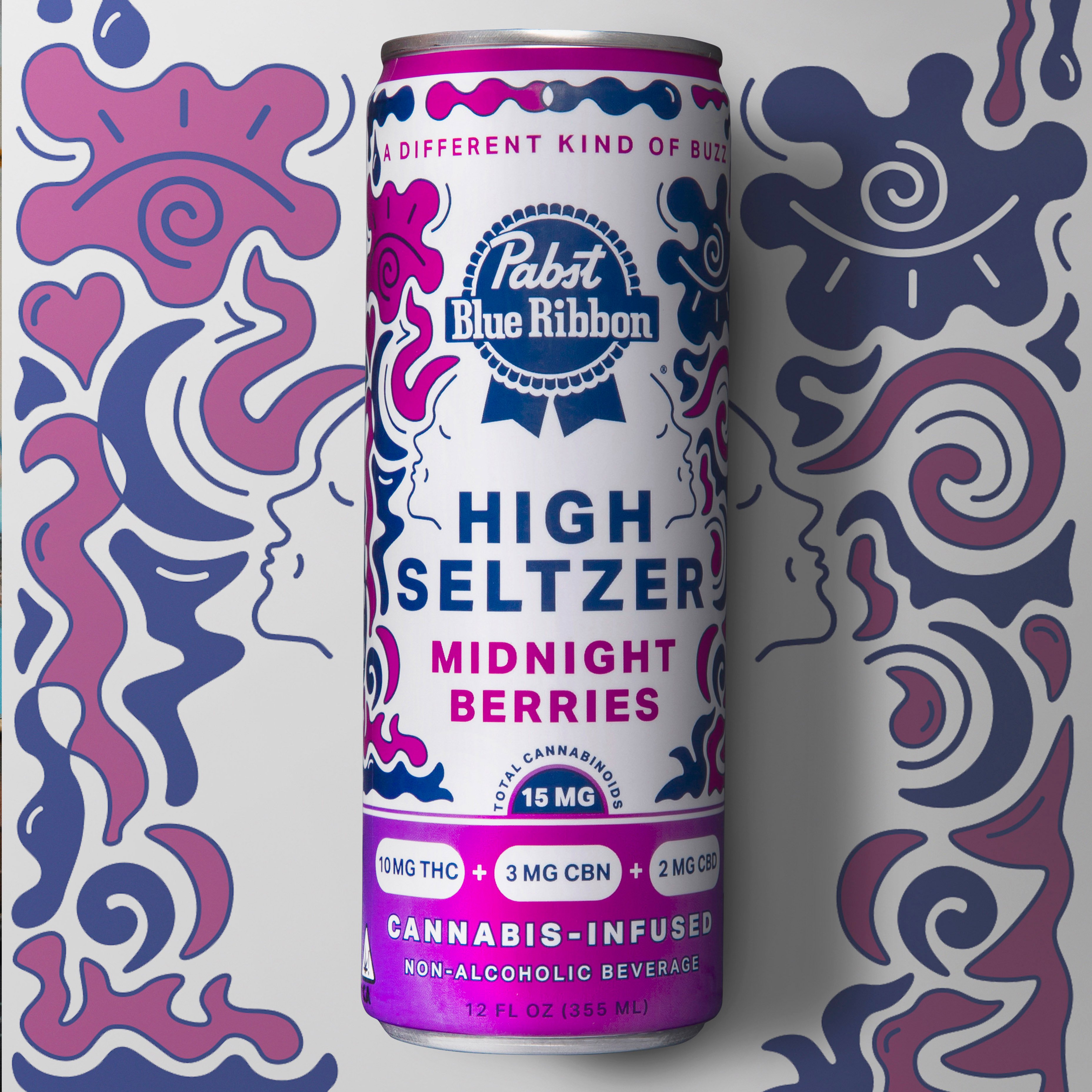
Cannabis beverages mostly hold up well as long as the can or bottle stays sealed, but heat plus carbonation is its own challenge — an unopened seltzer left in a hot car can foam aggressively when opened and lose a meaningful amount of liquid. Once opened, beverages should stay refrigerated and be consumed within a few days.
Summer-friendly cannabis drinks


Smart summer storage in five moves
The best-preserved cannabis ever found — about 800 grams pulled from a ~2,700-year-old tomb in northwest China — survived for the same four reasons good storage still works today: cool, dark, dry, sealed. None of it requires special equipment.
Keep flower in airtight glass away from light and heat. Mason jars work; original packaging that seals well works.
Avoid the fridge for flower unless you’re storing it long-term. Refrigerator humidity tends to be too dry and pulls moisture out unevenly.
The freezer is for long-term flower storage only, and only if the flower is fully sealed. Don’t use the freezer for short-term storage — temperature cycling causes more trichome damage than steady warm storage.
Edibles and beverages belong in the fridge once opened. Chocolate and gummy edibles benefit from refrigeration even before opening during a heat wave.
Never leave anything in a parked car, even briefly. Interior car temperatures climb 20 to 50°F above ambient in under an hour, which is well into the range that damages most cannabis products.
Heat affects terpenes faster than cannabinoids, which is why old or hot-stored flower tends to taste flat before it actually feels weaker.
Above 80°F, THC begins converting to CBN — not dangerous, but it shifts the experience toward more sedating effects.
Flower belongs in airtight glass in a cool, dark spot, and never in the car, even for a short trip.
Gummies and chocolates are the most heat-vulnerable formats because a melted-and-resolidified edible may no longer dose evenly (and therefore predictably).
Refrigerate opened beverages and edibles in summer, and skip the freezer unless you’re storing flower for the long term.