/
The retention math: why customer loyalty is the highest-ROI lever in cannabis retail right now



The headline numbers are striking. Loyalty members generate 3.6x higher lifetime value, shop 10.8% more often, and account for more than half of total revenue at retailers running an active program. A loyal cannabis consumer is worth roughly the same as four casual shoppers — without the acquisition cost attached.
The cost side of the equation has shifted too. Headset's register data shows the average dispensary basket fell 5.5% year over year, from $50.04 to $47.29, while transaction counts rose 6.5% — consumers are visiting more often and spending less each time. Each visit is a smaller transaction, which means the businesses that are winning are the ones who can capture more visits per consumer per year, not larger baskets per visit. The dispensaries overtaking competitors in 2026 are the ones whose returning shoppers are coming back five times instead of three.
The acquisition side is moving the wrong way at the same time. Customer acquisition costs are climbing across cannabis retail as advertising restrictions narrow the available channels, new stores open in nearly every legal market, and marketing budgets face more pressure to prove returns.
Where loyalty actually pays off
Loyalty pays off most when it changes behavior — when a shopper chooses your store over a cheaper one because their account, history, and preferences live there. It pays off less when the program is a percentage-off scheme rebranded as rewards.
Across 2.84 million transactions at 11 dispensaries in a single mature market, Jane platform data shows online orders averaging 70% higher order value than walk-in purchases, independent of how long the customer has been shopping. Online is also where loyalty investment shows up fastest: enabling Jane Gold lifts customer return rate by 33%. A walk-in customer keeps coming back partly out of proximity habit, whereas an online shopper has every competitor within a tab click.
Dispensaries on Jane with the strongest retention numbers are doing three things consistently:
Personalized menu sorting, so the shopper sees their preferred products first on every return visit.
Triggering offers based on real behavior, like gaps in visits or category shifts, which wins back attention before a competitor’s discount captures it.
Rewarding frequency, not just spend, which encourages a weekly cadence rather than waiting for a big-ticket order.
The thread connecting all three is data — and specifically, the same product and customer data the retailer is already collecting through their menu, POS, and ecommerce stack.

Building loyalty without the discount trap
The hardest part of a modern loyalty strategy is resisting the urge to default back to dollars off. Discounts pull next month’s revenue into this month, but they don’t change the underlying purchase pattern.
When a returning shopper sees a menu sorted around their preferences — favorite terpene profiles surfaced first, low-dose options at the top of the edible section, a brand they bought last month featured — the program is delivering value before any discount needs to enter the conversation. An October 2025 survey found that 86% of U.S. cannabis consumers prioritize personalized recommendations when deciding which dispensary to frequent.
Coordinating with brand loyalty programs like Jane Gold gives consumers early access to new product drops and curated picks that don’t compress sales margins for your store.
Triggered moments, like a reward that arrives when a shopper hasn’t visited in 21 days, or after their fifth purchase in a category, land differently than a flat 10% off. The cost is similar but the perceived value is meaningfully higher because the experience feels more personalized. This sits alongside the broader margin shift covered in "How AI-influenced transactions are reshaping cannabis retail margins".
Putting the data to work
A loyalty program’s ceiling is set by the quality of the data feeding it. A program that knows a shopper’s name and total spend, but not which categories they buy, what terpenes they gravitate toward, or how long it's been since they last visited, can’t deliver real personalization.
The connection between verified product data in the Jane Catalog and personalization through MyHigh is what allows a loyalty program to evolve from a points balance into a relevance engine. The Catalog ensures product attributes are clean; the personalization layer reads behavior against those attributes; the loyalty program acts on the resulting profile. Each part depends on the other.
Businesses starting from scratch can ladder up. A basic frequency reward this quarter, behavior-triggered offers next quarter, personalization-driven sorting after that. What matters most is moving the program away from a flat discount and toward a system that creates reasons to return.
Retention math is favorable: loyalty members generate 3.6x higher lifetime value and account for more than half of revenue at retailers running an active program.
Acquisition costs are climbing while cart values shrink, making repeat visits the most actionable lever for revenue growth.
The most effective loyalty programs in 2026 reward frequency and personalization, not just spend.
Data quality determines program ceiling: verified product data plus behavioral signals enable personalization, which is what makes loyalty defensible.
Loyalty investment shines online, where competition is one tab click away and the digital experience is where habits are formed and broken. Reach out to the Jane team to learn how Jane Gold can work to grow your business.
Harry Kainen
Sr. Director, Commerce Product

Ben Aronowitz
Sr. Director, Jane Gold
Ben has been a fixture at Jane for nearly six years, helping evolve the media business into what it is today. He currently heads Jane Gold, the dispensary-agnostic cash-back program to connect brands more deeply with customers.
Explore more
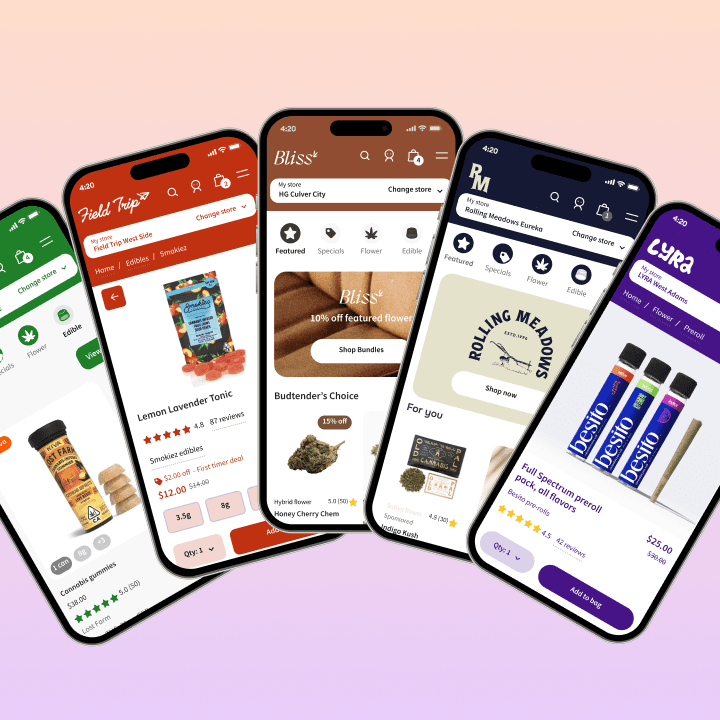
Ecommerce Premium
Grow online with a fully automated, branded storefront, smarter menus powered by AI, and built-in revenue drivers like MyHigh & Jane Gold.
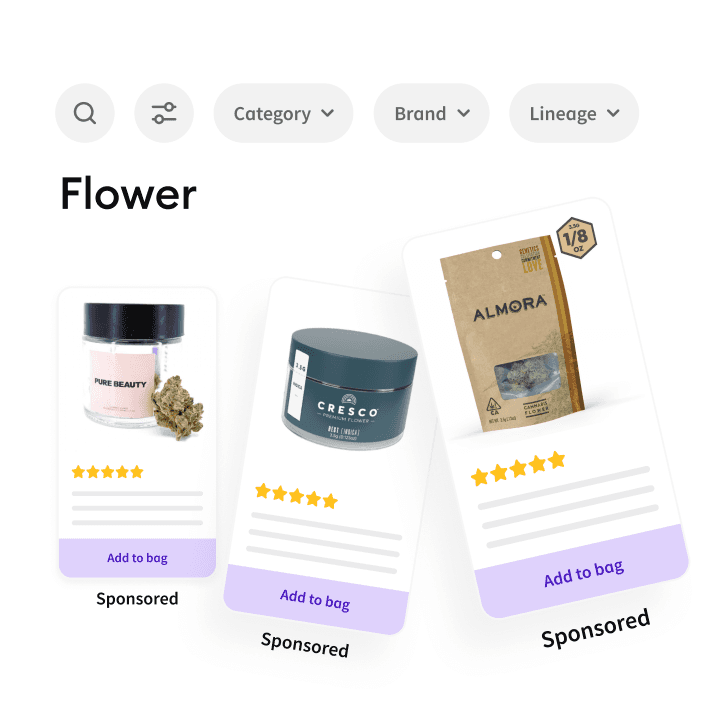
Media
Drive growth with targeted advertising and premium menu placements that influence high-intent shoppers from discovery to checkout.
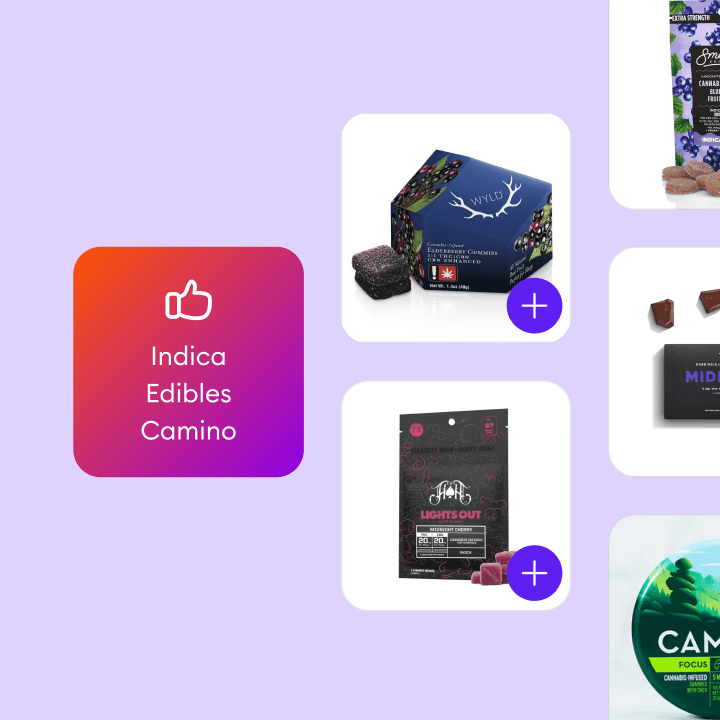
MyHigh
Create personalized shopping journeys with AI that learns each customer’s preferences and guides them to the right products faster.