


That includes personalized menu sorting that ranks products based on an individual shopper’s purchase history and preferences, recommendation rows that surface products a consumer is statistically likely to buy based on behavioral patterns across similar shoppers, search results that adapt to a consumer’s past behavior rather than returning a static alphabetical or price-sorted list, and predictive inventory insights that help operators stock the right mix before demand materializes.
None of this requires a shopper to know AI is involved. The experience simply feels more relevant, leading to fewer scrolled-past products, shorter time to purchase, higher confidence in the selection. A 2025 consumer survey found that 57% of cannabis consumers won’t return to a dispensary or website where they experience inconsistent recommendations, which means the quality of product discovery directly affects whether a transaction leads to a second one.
The revenue impact of AI in cannabis retail operates through several channels simultaneously, and the combined effect is more significant than any single metric suggests.
Higher cart values through relevant discovery. When a menu surfaces products that match a shopper’s actual preferences — rather than defaulting to bestsellers or newest arrivals — consumers are more likely to add items they wouldn’t have found on their own. This is particularly true for categories with lower organic discovery rates, like topicals, tinctures, and cannabis beverages, which tend to outperform when surfaced to the right shopper at the right moment.
Reduced reliance on discounting. Cannabis retailers relied heavily on promotions and markdowns throughout 2025 as competition intensified across most markets. Discounting moves volume, but it compresses margins and trains consumers to wait for deals. Personalization offers an alternative path to conversion: relevance instead of price reduction. When a consumer sees products that genuinely match their preferences, the purchase motivation shifts from “this is cheap” to “this is for me.”
Improved retention economics. Acquiring a new dispensary customer is expensive. Research shows that 86% of cannabis consumers say personalized recommendations would motivate loyalty, ranking higher than price as a driver of return visits. When a personalization engine like MyHigh learns a shopper’s preferences over time, each subsequent visit becomes more relevant than the last. That compounding relevance is what turns a first-time buyer into a regular, and regulars are where dispensary margins are built.
A dispensary without personalization technology relies almost entirely on staff to guide product selection. That works when the store isn’t busy and the budtender knows the customer, but it breaks down during peak hours, with new shoppers, or on the ecommerce side where there’s no human in the loop at all. Half of cannabis consumers report feeling overwhelmed by product choices, and that overwhelm is most acute online where nobody is there to ask questions.
AI-powered product discovery handles the heavy lifting of initial product matching — narrowing a 500-SKU menu down to the 20 most relevant options for a given shopper — and frees budtenders to do what they’re actually best at: answering specific questions, sharing personal experience with products, and building the kind of human connection that technology can support but never replicate.
Personalization is only as good as the data feeding it, which is where the conversation about AI in cannabis retail connects to a less glamorous but equally important topic: product data quality.
A recommendation engine that doesn’t know the difference between a 2.5 mg gummy and a 25 mg one, or that can’t distinguish a CBD-dominant tincture from a THC-dominant concentrate, will make recommendations that erode rather than build trust. The accuracy of the underlying product catalog — verified descriptions, correct cannabinoid and terpene profiles, real imagery, up-to-date inventory — is what determines whether AI-powered recommendations feel helpful or random.
A recent study from Nvidia found that over 60% of retailers across industries are increasing investment in AI infrastructure through 2026. In cannabis, where product complexity is unusually high and consumer education is still catching up, that infrastructure investment includes the data layer, not just the algorithms.
This is why the Jane Catalog functions as the foundation layer for MyHigh personalization. Verified product data ensures that when the model identifies a shopper who prefers low-dose edibles with a limonene-forward terpene profile, the products it surfaces actually match that preference. The AI does the pattern recognition. The catalog ensures the patterns map to reality.
AI is projected to influence 40–60% of cannabis transactions by end of 2026, making personalization a core revenue driver rather than an experimental add-on.
The margin impact operates through multiple channels simultaneously: higher cart values through relevant discovery, reduced reliance on discounting, and improved customer retention economics.
Personalization reduces the pressure on discounting by shifting purchase motivation from price to relevance — a meaningful shift for an industry where promotional competition has compressed margins.
AI changes the budtender’s role without replacing it, handling initial product matching at scale so staff can focus on higher-value human interactions.
Product data quality is the foundation that determines whether AI-powered recommendations build trust or erode it. The recommendation engine is only as good as the catalog behind it.
Diana Hansen
Director of Product, Platform, and DM
Diana has over a decade of experience building and launching data-driven products across industries. Now in the cannabis space, she loves bringing analytical rigor and merchandising strategy to help dispensaries turn their menus into revenue-driving machines.

Matt Wheeler
Staff Machine Learning Engineer
Matt is the architect of MyHigh, the personalization engine that now powers over 90% of impressions on Jane menus. He brings 13+ years of experience building large-scale ranking and recommendation systems at companies including Apple, Yahoo, and Groupon.
Explore more

Ecommerce Premium
Grow online with a fully automated, branded storefront, smarter menus powered by AI, and built-in revenue drivers like MyHigh & Jane Gold.
Media
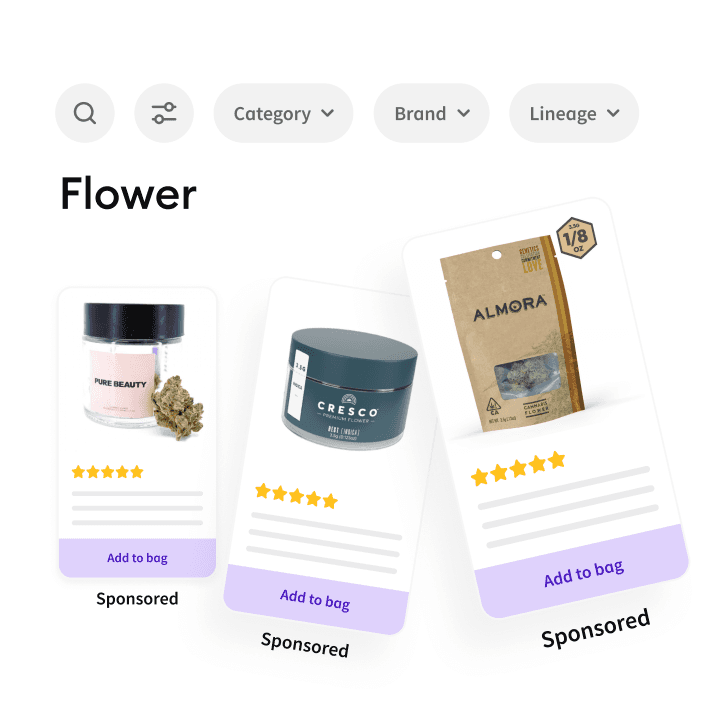
Drive growth with targeted advertising and premium menu placements that influence high-intent shoppers from discovery to checkout.
MyHigh
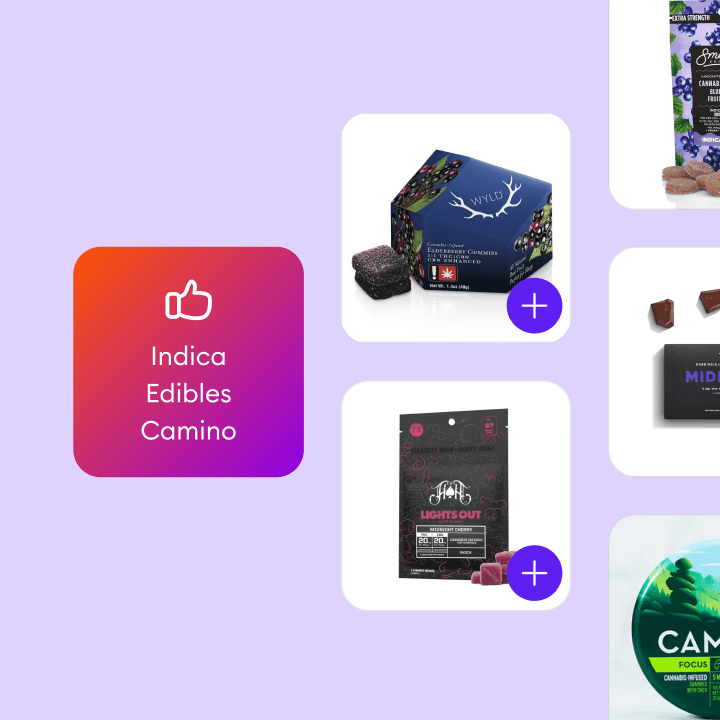
Create personalized shopping journeys with AI that learns each customer’s preferences and guides them to the right products faster.