/
/
Cannabis as recovery: how it fits alongside cold plunges, saunas, and mobility work
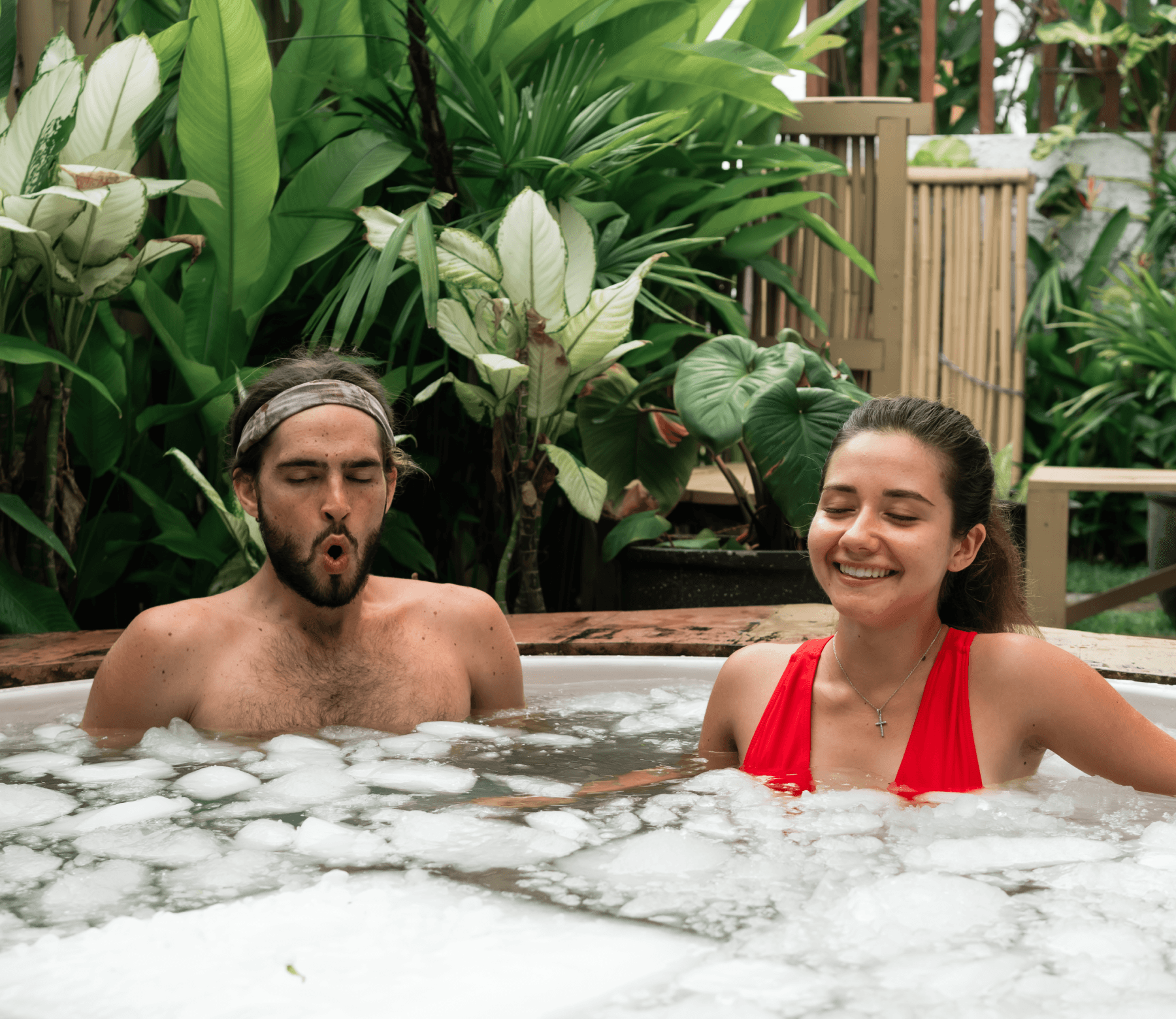
Exercise recovery has become its own subculture over the last few years. Cold plunges, infrared saunas, red-light panels, breathwork, and mobility routines are everywhere on gym floors and social feeds. Less talked about — but increasingly common in the same crowd — is intentional cannabis use as part of the same stack, meant to help the nervous system actually settle after a hard workout.
What recovery actually means
In the context of fitness, recovery can mean many things. Physically, it is the process of repairing microdamage in muscle fibers, clearing metabolic byproducts, and restoring glycogen. Neurologically, it is the shift out of a sympathetic (fight-or-flight) state and back into parasympathetic (rest-and-digest) function. Most popular recovery tools work on one or both of those two systems.
For example, cold plunges downregulate inflammation and shift you into a parasympathetic state through a sharp thermal signal. Saunas do something similar through the opposite input, triggering physiological adaptive responses by applying heat stress. Mobility work and breathwork target the nervous system more directly. Cannabis, used intentionally, typically fits into the nervous-system side of the equation as well.
Where cannabis fits
The strongest scientific case for cannabis in recovery is around inflammation and nervous-system reset. A 2026 randomized, placebo-controlled feasibility trial in the Journal of Cannabis Research found that participants taking CBD reported less peak pain, less strength loss, and less physical disability 48 hours after exercise-induced muscle injury than those on placebo — though with 29 participants, it's a first look rather than a verdict. A separate 2025 survey of 80 elite Canadian athletes in Frontiers in Nutrition found that among athletes who used CBD, 93% agreed it improved their sleep and 77% agreed it reduced pain from training
The mechanism itself is interesting as well. Cannabinoids interact with the endocannabinoid system, which helps regulate inflammation, pain signaling, and stress response. Research suggests CBD in particular can moderate pro-inflammatory cytokines like IL-6 and TNF-α, which spike after hard training. THC, in smaller doses, works more on the nervous system, shifting a wired-and-tired state toward comfortable and calm.
Cannabis and cold: pairing plunges with the plant
Cold plunges and cannabis might seem to be in opposition; one is sharp and intense while the other is soft and settling. In practice, they line up well when used in sequence rather than simultaneously.
The common protocol among people who use both is to start with the cold plunge (usually 2–5 minutes in 40–55°F water) followed by a short warming period out of the water, then a light edible or session of terpene-forward flower an hour or two later. The plunge itself does the acute inflammatory work and the cannabis supports the nervous-system reset that follows.
Pro tip: Skip the pre-plunge dose. THC can dull the shock response that makes the plunge effective in the first place, and it can make the cold feel more disorienting than adaptive.
Cannabis, heat, and mobility work
Though cold plunges have become increasingly popular over recent years, cannabis generally pairs more naturally with heat-based recovery than cold. A sauna, a hot bath, or an infrared panel all push the body toward a relaxed, dilated state. A low-dose edible or myrcene-forward flower does the same.
Same goes for mobility work. Foam rolling, slow yoga, and long stretch sessions all benefit from a slightly quieter nervous system, which is exactly what a small dose of cannabis produces.
Recovery tool
Where cannabis fits
Dose reference
Cold plunge
After, not during
2.5–5 mg edible, 1–2 hours after plunge
Sauna
Before or after
2.5 mg edible 30 min before; flower after
Foam rolling / mobility
Before or during
Micro-dose edible or brief flower session
Long walk / cool-down
During
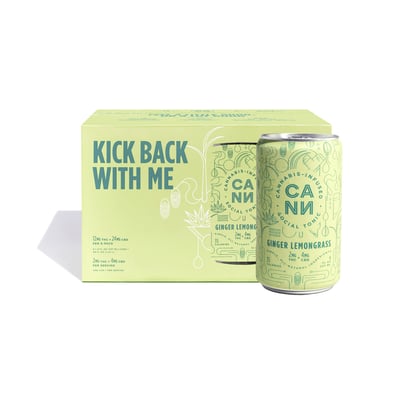
Low-dose (1–2.5 mg) 1:1 CBD:THC beverage
Sleep-focused recovery
30–60 minutes before bed
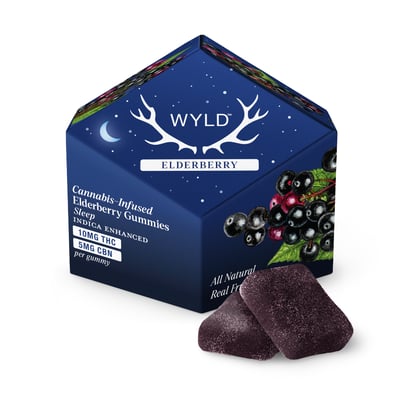
CBN-forward gummy or 2.5–5 mg THC edible
A cannabis recovery stack does not need to look like a supplement shelf. In fact, most people who use cannabis intentionally in recovery keep it simple: one or two formats they know well, dosed low, used consistently.
A few starting points to try out:
Recommended products for recovery routines



Recovery has two sides: physical (inflammation, muscle repair) and neurological (parasympathetic activation). Most tools target one; cannabis mostly targets the nervous-system side.
CBD has the strongest clinical evidence for post-exercise recovery, particularly for inflammation and perceived soreness.
Pair cannabis with cold plunges in sequence, not simultaneously. Cold first, low-dose cannabis an hour or two later.
Cannabis pairs naturally with heat and mobility work. Saunas, hot baths, foam rolling, and slow yoga all sit in the same parasympathetic direction.
Keep the dose low and the stack simple. One or two known formats used consistently beats a shelf of products used occasionally.