Every October, dispensaries fill up with a wave of new flower grown outdoors under the sun, all finished, dried, and cured just in time for fall. The industry has a nickname for it: Croptober. If you’ve ever noticed the prices on your favorite flower dropping around Halloween, this is probably why. For shoppers, it is one of the few moments each year when really excellent flower gets more accessible instead of less.
In this article:
What Croptober actually is
Cannabis grown outdoors flowers as the days shorten in late summer and early fall. The outdoor harvest runs from late September through early November, which compresses a full year of sun-grown supply into a few short weeks. The flower moves through drying, curing, and testing, then lands on dispensary shelves between mid-October and early November.
That concentrated timeline is why Croptober has such a distinct feel. For most of the year, dispensary flower comes from indoor and greenhouse operations that harvest continuously. In October, sun-grown flower shows up all at once — different cultivars, different price points, and a different vibe than the rest of the calendar.
Sun-grown vs. indoor vs. greenhouse
A quick primer on how the three grow methods actually differ:
Method
Light source
What to expect
Typical price
Sun-grown (outdoor)
Natural sunlight
Larger buds, expressive terpenes, single fall harvest
Lowest
Greenhouse (light-dep)
Sun + supplemental lighting
Balance of yield and consistency, multiple harvests
Mid
Indoor
Full artificial lighting
Dense buds, tight quality control, year-round supply
Highest
Sun-grown flower historically developed a reputation as “lower quality,” but that's now known to be untrue. Modern outdoor cultivation in states like California, Oregon, and Massachusetts routinely produces flower with terpene profiles and effects that hold up against indoor. Though the quality is comparable, the flower still has some notable differences: the buds are usually larger and a little less tightly compacted, the aromas can be earthier or more herbal, and the color range is broader.
Menus don't always label grow method, so when you're shopping check the package for “sun-grown,” “outdoor,” or “greenhouse,” or ask your budtender.
Differences on the shelf in October
The biggest change is the price band on eighths and pre-rolls. Wholesale prices for outdoor flower drop noticeably during and after the harvest, which might show up as everyday value pricing on the menu rather than a limited-time deal. A large harvest can occasionally push wholesale prices down for months, even through the holidays.
Small farms and craft outdoor growers typically release limited-run cultivars this time of year as well, like varieties that only work outdoors or single-farm drops that will not be back for another twelve months. The interesting shelf finds during Croptober usually come from these single-source releases rather than the mainline cultivars you always see available.
Additionally, a well-labeled outdoor product will typically carry a harvest date (or a “packaged on” date very close to it), a farm or cultivator name, and a specific cultivar. If you're ever questioning the freshness of your flower, you can always double check the date on the label.
How to shop a Croptober menu
Read the harvest date first. The main appeal of Croptober is freshness and outdoor flower is best inside its first six months after curing. Going a step further, an outdoor product with a harvest date within the last eight weeks will taste and smoke noticeably better than one that's been sitting on a shelf for months.
Try shopping by farm, not just by cultivar. Small outdoor farms tend to grow the same three or four cultivars each season, and once you find one whose profile you like, following the farm can be more reliable than re-learning the flashiest cultivar names each year. Most dispensaries display farm names on flower packaging.
Expect broader terpene expression. Outdoor flower often produces more pronounced terpene profiles than the same genetics grown indoors, especially the herbal, pine, and citrus notes that come from sustained sun exposure. If you've been shopping by aroma indoors, the same cultivar can smell noticeably different from an outdoor farm, but usually in a good way.
Skip the pre-rolls with no farm attribution. If the label lists “outdoor flower” without naming the farm or the harvest date, the pre-roll is usually a blend of trim from multiple sources. Blended trim is not automatically bad, but it's not the ultra-specific or limited-time fresh flower that makes harvest season worth shopping.
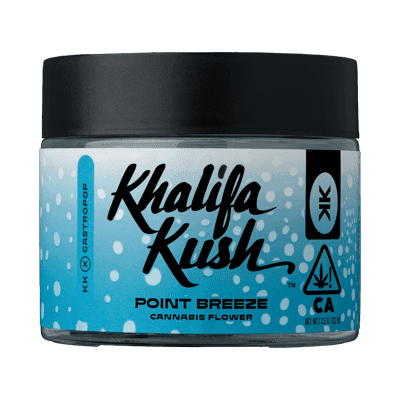
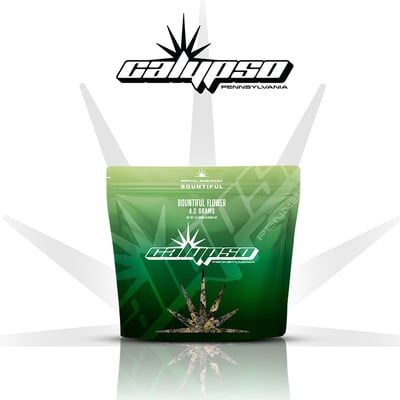
Top-rated eighths and small-batch flower



Takeaways
Croptober is the time of year when most outdoor cannabis in North America gets harvested and released, usually resulting on better prices on the best flower.
Sun-grown flower holds up against indoor on terpene expression and effect; its looser, more open bud structure reflects growing conditions rather than quality.
Look for three details on product labels: a harvest date within the last eight weeks, a named farm or cultivator, and a specific cultivar.
Shopping by farm rather than by strain name is a surefire way to find a Croptober rotation you actually trust.
Craft outdoor releases are single-farm drops that come and go quickly. If a specific cultivar from a specific farm strikes your fancy, buy it in the season it lands for an extra special treat.