/
What 4/20 shoppers actually want — and what the data says operators should do about it

March 31, 2026
March 31, 2026
March 31, 2026
What 4/20 shoppers actually want — and what the data says operators should do about it
What 4/20 shoppers actually want — and what the data says operators should do about it
What 4/20 shoppers actually want — and what the data says operators should do about it



Contributors: Bijan Firouzan, Ben Aronowitz
Contributors: Bijan Firouzan, Ben Aronowitz
Contributors: Bijan Firouzan, Ben Aronowitz
Est. reading time: 4 min
Est. reading time: 4 min
Est. reading time: 4 min
Every year, 4/20 delivers a surge of cannabis retail traffic unlike anything else on the calendar. In 2024, retail cannabis sales reached $167 million on April 20 alone — a 133% lift over the daily sales average for the month. On the Jane platform specifically, 4/20 drives 106% more online checkouts and 110% more online sessions compared to the two-week average prior, meaning the ecommerce surge is just as dramatic as the in-store one.”
Every year, 4/20 delivers a surge of cannabis retail traffic unlike anything else on the calendar. In 2024, retail cannabis sales reached $167 million on April 20 alone — a 133% lift over the daily sales average for the month. On the Jane platform specifically, 4/20 drives 106% more online checkouts and 110% more online sessions compared to the two-week average prior, meaning the ecommerce surge is just as dramatic as the in-store one.”
But traffic is only half the picture. The dispensaries that consistently extract the most value from 4/20 are the ones that understand who their visitors actually are, what they're looking for, and how to serve them well enough that they come back in May.
But traffic is only half the picture. The dispensaries that consistently extract the most value from 4/20 are the ones that understand who their visitors actually are, what they're looking for, and how to serve them well enough that they come back in May.
The data paints a more nuanced portrait of the 4/20 shopper than most operators plan for.
The data paints a more nuanced portrait of the 4/20 shopper than most operators plan for.
In this article:
In this article:
4/20 brings a different mix of shoppers than any other day
4/20 brings a different mix of shoppers than any other day
On a typical Saturday, a dispensary's traffic skews heavily toward regulars — familiar faces with established preferences and predictable basket sizes. 4/20 changes that mix significantly.
On a typical Saturday, a dispensary's traffic skews heavily toward regulars — familiar faces with established preferences and predictable basket sizes. 4/20 changes that mix significantly.
The holiday functions as one of the industry's most powerful acquisition events. It draws curious first-timers who have been circling cannabis for a while and finally have a reason to try it. It reactivates lapsed customers who haven't visited in months. And it brings deal-seekers who are comparison-shopping across multiple stores before deciding where to spend.
The holiday functions as one of the industry's most powerful acquisition events. It draws curious first-timers who have been circling cannabis for a while and finally have a reason to try it. It reactivates lapsed customers who haven't visited in months. And it brings deal-seekers who are comparison-shopping across multiple stores before deciding where to spend.
Data from MJ Biz Daily shows that basket sizes vary sharply by demographic: younger consumers spend less per trip and buy lower-dose products at higher rates, while older consumers visit less often but spend significantly more per visit. On 4/20, when all of these groups show up at once, operators without a way to surface relevant products to each type of shopper are essentially leaving the experience to chance.
Data from MJ Biz Daily shows that basket sizes vary sharply by demographic: younger consumers spend less per trip and buy lower-dose products at higher rates, while older consumers visit less often but spend significantly more per visit. On 4/20, when all of these groups show up at once, operators without a way to surface relevant products to each type of shopper are essentially leaving the experience to chance.
The discount trap and what's actually driving purchasing
The discount trap and what’s actually driving purchasing
Discounting is the dominant 4/20 strategy across the industry. In 2024, average retail cannabis prices were 16% lower on 4/20 than on other April days — a discount depth that has grown year over year as dispensaries compete more aggressively for the holiday's traffic.
Discounting is the dominant 4/20 strategy across the industry. In 2024, average retail cannabis prices were 16% lower on 4/20 than on other April days — a discount depth that has grown year over year as dispensaries compete more aggressively for the holiday's traffic.
The logic is understandable: promotions create urgency, and 4/20 is a competitive day. But discounting as a primary strategy has a built-in ceiling: it trains shoppers to expect deals, compresses margins on a high-volume day, and does almost nothing to build the kind of relationship that brings a shopper back without a promotion attached.
The logic is understandable: promotions create urgency, and 4/20 is a competitive day. But discounting as a primary strategy has a built-in ceiling: it trains shoppers to expect deals, compresses margins on a high-volume day, and does almost nothing to build the kind of relationship that brings a shopper back without a promotion attached.
A 2025 cannabis consumer survey found that 86% of cannabis consumers say they would be loyal to a dispensary that offers personalized recommendations (like with AI-powered MyHigh personalization from Jane), ranking higher than price alone as a driver of return visits. Discounts may bring shoppers in, but relevance keeps them.
A 2025 cannabis consumer survey found that 86% of cannabis consumers say they would be loyal to a dispensary that offers personalized recommendations (like with AI-powered MyHigh personalization from Jane), ranking higher than price alone as a driver of return visits. Discounts may bring shoppers in, but relevance keeps them.

Product preferences are shifting and menus need to reflect that
Product preferences are shifting and menus need to reflect that
Understanding which products today's cannabis consumers are actually reaching for is increasingly important context for menu strategy, and the data tells a clear story about where demand is moving.
Understanding which products today's cannabis consumers are actually reaching for is increasingly important context for menu strategy, and the data tells a clear story about where demand is moving.
Flower remains the dominant category, but Jane platform data shows that 4/20 shifts the mix meaningfully: pre-rolls see a 134% lift over the prior two-week average, extracts 148%, and edibles 128% — while topicals and tinctures, often overlooked in holiday planning, spike 189% and 179% respectively. The 4/20 shopper is more exploratory than the everyday buyer, and a menu that doesn't surface those categories prominently is leaving discovery on the table. Cannabis beverages are emerging as the fastest-growing category by trial rate, driven largely by younger consumers seeking lower-dose, sessionable formats.
Flower remains the dominant category, but Jane platform data shows that 4/20 shifts the mix meaningfully: pre-rolls see a 134% lift over the prior two-week average, extracts 148%, and edibles 128% — while topicals and tinctures, often overlooked in holiday planning, spike 189% and 179% respectively. The 4/20 shopper is more exploratory than the everyday buyer, and a menu that doesn't surface those categories prominently is leaving discovery on the table. Cannabis beverages are emerging as the fastest-growing category by trial rate, driven largely by younger consumers seeking lower-dose, sessionable formats.
Millennials remain the largest purchasing demographic in cannabis retail, but Gen Z is the industry's fastest-growing consumer segment — and their preferences skew notably different: lower potency, alternative formats, beverages and gummies over inhalables.
Millennials remain the largest purchasing demographic in cannabis retail, but Gen Z is the industry's fastest-growing consumer segment — and their preferences skew notably different: lower potency, alternative formats, beverages and gummies over inhalables.
For operators, this creates a practical question: if a significant share of 4/20 traffic is younger shoppers who want different products than the store's typical buyer, does the menu reflect that? A static menu built around the preferences of an existing customer base will underperform with the newer, faster-growing segments walking through the door on the holiday.
For operators, this creates a practical question: if a significant share of 4/20 traffic is younger shoppers who want different products than the store's typical buyer, does the menu reflect that? A static menu built around the preferences of an existing customer base will underperform with the newer, faster-growing segments walking through the door on the holiday.
The first-time shopper problem and why 4/20 makes it urgent
The first-time shopper problem and why 4/20 makes it urgent
Perhaps the most consequential data point for 4/20 strategy doesn't come from holiday sales reports. It comes from retention. Jane platform data shows 4/20 brings 28% more unique users than the prior week: a clear signal that the holiday's traffic isn't just regulars spending more, but a meaningfully larger pool of unfamiliar faces. Most of them won't come back without a reason to.
Perhaps the most consequential data point for 4/20 strategy doesn't come from holiday sales reports. It comes from retention. Jane platform data shows 4/20 brings 28% more unique users than the prior week: a clear signal that the holiday's traffic isn't just regulars spending more, but a meaningfully larger pool of unfamiliar faces. Most of them won't come back without a reason to.
Industry data consistently shows that most dispensaries lose the majority of first-time shoppers after a single visit (they came, bought something, and never came back). On a normal day that's a concern. On 4/20, when first-timers and reactivated lapsed customers represent a disproportionate share of traffic, it's a significant revenue problem hiding inside an otherwise strong day.
Industry data consistently shows that most dispensaries lose the majority of first-time shoppers after a single visit (they came, bought something, and never came back). On a normal day that's a concern. On 4/20, when first-timers and reactivated lapsed customers represent a disproportionate share of traffic, it's a significant revenue problem hiding inside an otherwise strong day.
The acquisition cost of getting someone to a dispensary on 4/20 through advertising, promotions, or simply the cultural gravity of the holiday is real. Losing most of them after a single visit means the economics of that acquisition are substantially worse than the day's sales numbers suggest.
The acquisition cost of getting someone to a dispensary on 4/20 through advertising, promotions, or simply the cultural gravity of the holiday is real. Losing most of them after a single visit means the economics of that acquisition are substantially worse than the day's sales numbers suggest.
Research published by Cannabis Business Times points to digital convenience as a primary driver of post-first-visit loyalty: consumers who have a smooth, personalized online experience are meaningfully more likely to return through the same channel. The menu experience is doing the bulk of the retention work before, during, and after the transaction.
Research published by Cannabis Business Times points to digital convenience as a primary driver of post-first-visit loyalty: consumers who have a smooth, personalized online experience are meaningfully more likely to return through the same channel. The menu experience is doing the bulk of the retention work before, during, and after the transaction.
This is where the product data layer matters. A menu powered by accurate, rich product content through the Jane Catalog — verified reviews, terpene profiles, real-time inventory — gives first-time shoppers the information they need to feel confident in a purchase, rather than overwhelmed by options. That first purchase, made confidently, is what the return visit is built on.
This is where the product data layer matters. A menu powered by accurate, rich product content through the Jane Catalog — verified reviews, terpene profiles, real-time inventory — gives first-time shoppers the information they need to feel confident in a purchase, rather than overwhelmed by options. That first purchase, made confidently, is what the return visit is built on.
Takeaways
Takeaways
4/20 doesn't just bring more shopper volume & variety. First-timers, lapsed customers, and deal-seekers all have distinct needs that a one-size-fits-all menu isn't built to serve.
Discounting dominates 4/20 strategy, but relevance is what actually drives repeat visits. 86% of cannabis consumers say personalized recommendations would motivate loyalty — a higher driver than price alone.
Product preferences shift on 4/20 specifically, with extracts, edibles, pre-rolls, and beverages outperforming their typical share, particularly among younger shoppers who represent the industry's fastest-growing segment.
Retaining 4/20's first-time traffic is the highest-leverage opportunity most operators underestimate. Most first-time visitors don't come back, which means the economics of acquisition are worse than high holiday sales figures indicate.
The menu’s accuracy, personalization, and product content depth is doing the retention work. Operators who invest in that layer are better positioned to turn 4/20 traffic into year-round customers.
Operators who are thinking about 4/20 as a demand-generation event are investing in the menu infrastructure that converts curious first-time visitors into confident buyers and confident buyers into loyal customers.
Operators who are thinking about 4/20 as a demand-generation event are investing in the menu infrastructure that converts curious first-time visitors into confident buyers and confident buyers into loyal customers.
Was this article helpful to you?
Was this article helpful to you?
About our contributors
Bijan Firouzan
VP of Sales
Bijan Firouzan
VP of Sales
Bijan brings 7+ years of experience in cannabis tech, Ecommerce, and retail media, partnering closely with operators to build growth strategies rooted in how their businesses truly operate.

Ben Aronowitz
Sr. Director, Jane Gold
Ben has been a fixture at Jane for nearly six years, helping evolve the media business into what it is today. He currently heads Jane Gold, the dispensary-agnostic cash-back program to connect brands more deeply with customers.
Explore more

Ecommerce Premium
Grow online with a fully automated, branded storefront, smarter menus powered by AI, and built-in revenue drivers like MyHigh & Jane Gold.
Media
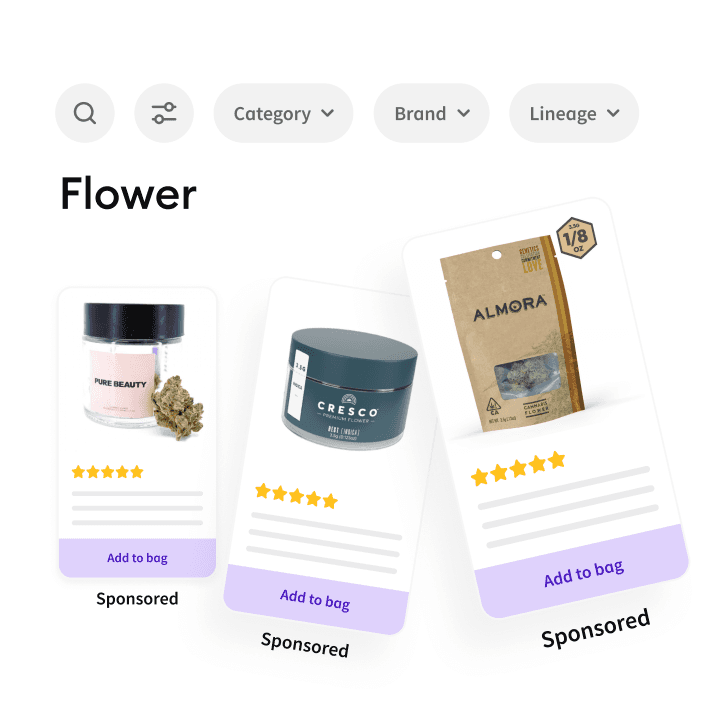
Drive growth with targeted advertising and premium menu placements that influence high-intent shoppers from discovery to checkout.
MyHigh
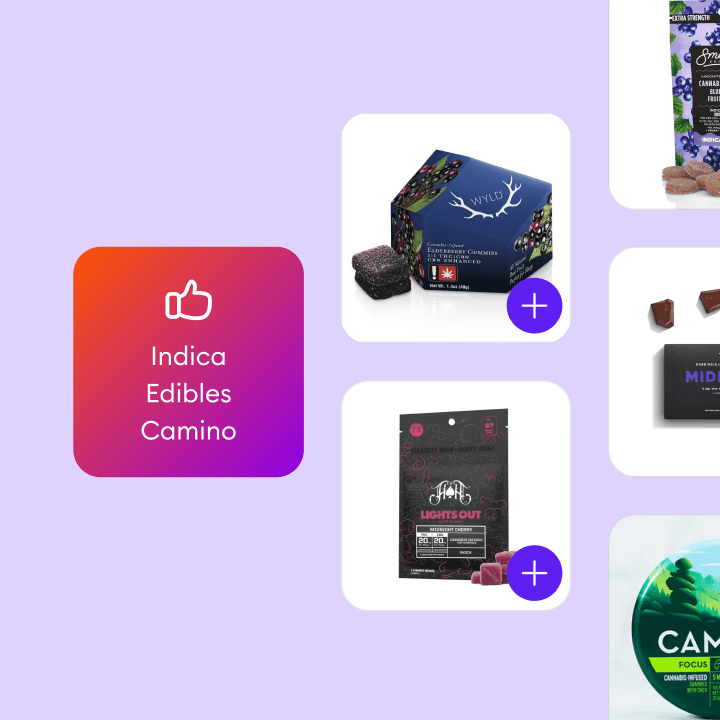
Create personalized shopping journeys with AI that learns each customer’s preferences and guides them to the right products faster.