/
How an open ecosystem gives cannabis retailers a long-term advantage

March 11, 2026
March 11, 2026
March 11, 2026
How an open ecosystem gives cannabis retailers a long-term advantage
How an open ecosystem gives cannabis retailers a long-term advantage
How an open ecosystem gives cannabis retailers a long-term advantage

Contributors: Kelli Kushner, Rachel Melnick Schaaf
Contributors: Kelli Kushner, Rachel Melnick Schaaf
Contributors: Kelli Kushner, Rachel Melnick Schaaf
Est. reading time: 4 min
Est. reading time: 4 min
Est. reading time: 4 min
In cannabis retail, efficiency is essential, but performance is what sustains growth.
In cannabis retail, efficiency is essential, but performance is what sustains growth.
As margins tighten and shopper expectations rise, operators are being asked to make technology decisions that will shape their business for years to come. It’s no surprise that “all-in-one” software platforms often enter the conversation. Fewer vendors and a single contract can feel like a clean solution to a complex problem.
As margins tighten and shopper expectations rise, operators are being asked to make technology decisions that will shape their business for years to come. It’s no surprise that “all-in-one” software platforms often enter the conversation. Fewer vendors and a single contract can feel like a clean solution to a complex problem.
But as ecommerce becomes even more of a primary growth channel (not just a digital menu), many retailers are looking beyond convenience to the real questions around long-term flexibility and agency. Will this help my business grow? Will locking this in now limit me in the future? The open ecosystem doesn’t just connect your tools, but empowers you to choose them as well.
But as ecommerce becomes even more of a primary growth channel (not just a digital menu), many retailers are looking beyond convenience to the real questions around long-term flexibility and agency. Will this help my business grow? Will locking this in now limit me in the future? The open ecosystem doesn’t just connect your tools, but empowers you to choose them as well.
In this article:
In this article:
What an open ecosystem is designed to do
What an open ecosystem is designed to do
An open ecosystem is built with integration as a primary principle. Open platforms are designed to connect specialized tools across ecommerce, POS, CRM, payments, advertising, and more. That means you can upgrade tools, test new channels, or change how systems connect without replatforming or locking yourself into decisions that are hard to undo.
An open ecosystem is built with integration as a primary principle. Open platforms are designed to connect specialized tools across ecommerce, POS, CRM, payments, advertising, and more. That means you can upgrade tools, test new channels, or change how systems connect without replatforming or locking yourself into decisions that are hard to undo.
At Jane, that connection is facilitated at the data layer. A standardized product catalog and centralized customer intelligence act as connective tissue across your tech stack, ensuring consistent product data, cleaner shopper experiences, and better personalization — regardless of which systems you choose to plug in. When tools connect across ecommerce, POS, advertising, and loyalty, operators gain a full funnel view of the customer — from the first ad impression through to the return visit — that siloed platforms aren't built to provide.
At Jane, that connection is facilitated at the data layer. A standardized product catalog and centralized customer intelligence act as connective tissue across your tech stack, ensuring consistent product data, cleaner shopper experiences, and better personalization — regardless of which systems you choose to plug in. When tools connect across ecommerce, POS, advertising, and loyalty, operators gain a full funnel view of the customer — from the first ad impression through to the return visit — that siloed platforms aren't built to provide.
Think of it like the difference between Google’s open ecosystem and Apple’s tightly controlled one. Both are powerful, but one gives businesses the freedom to integrate broadly and evolve quickly, while the other determines which tools are allowed inside the walls.
Think of it like the difference between Google’s open ecosystem and Apple’s tightly controlled one. Both are powerful, but one gives businesses the freedom to integrate broadly and evolve quickly, while the other determines which tools are allowed inside the walls.
This model gives retailers the ability to choose tools based on performance rather than availability, which means more money coming in from optimized revenue streams. Data moves cleanly across systems, teams aren’t forced into workarounds, and improvements can be made incrementally instead of all at once. In retail, that distinction matters. When platforms dictate what systems you can and cannot use, flexibility narrows, but an open ecosystem keeps control in the retailer’s hands.
This model gives retailers the ability to choose tools based on performance rather than availability, which means more money coming in from optimized revenue streams. Data moves cleanly across systems, teams aren’t forced into workarounds, and improvements can be made incrementally instead of all at once. In retail, that distinction matters. When platforms dictate what systems you can and cannot use, flexibility narrows, but an open ecosystem keeps control in the retailer’s hands.
Performance comes from specialization
Performance comes from specialization
Across retail more broadly, the largest brands rarely rely on a single vendor to power everything. Enterprise retailers in other industries can combine best-in-class POS systems (i.e. Square), specialized CRM platforms (i.e. Klaviyo), advanced analytics tools, and dedicated ecommerce engines (i.e. Shopify) — each selected for the strongest performance in its category.
Across retail more broadly, the largest brands rarely rely on a single vendor to power everything. Enterprise retailers in other industries can combine best-in-class POS systems (i.e. Square), specialized CRM platforms (i.e. Klaviyo), advanced analytics tools, and dedicated ecommerce engines (i.e. Shopify) — each selected for the strongest performance in its category.
Across Jane Ecommerce experiences, retailers consistently see:
Across Jane Ecommerce experiences, retailers consistently see:
10% higher online conversion rates compared to basic menu tools
30% faster checkout speeds, which correlate directly with lower drop-off
47% increased cart sizes driven by better merchandising and personalization
Cleaner integrations ensure inventory and pricing stay accurate across channels.
10% higher online conversion rates compared to basic menu tools
30% faster checkout speeds, which correlate directly with lower drop-off
47% increased cart sizes driven by better merchandising and personalization
Cleaner integrations ensure inventory and pricing stay accurate across channels.
These outcomes hold across the full scale and variety of segments a cannabis retailer serves, from a single-store operator building an ecommerce base to a multi-state operator managing diverse customer profiles across markets.
These outcomes hold across the full scale and variety of segments a cannabis retailer serves, from a single-store operator building an ecommerce base to a multi-state operator managing diverse customer profiles across markets.
Even modest improvements in conversion rate or average order value can compound over time and materially impact revenue, especially as ecommerce continues to account for a larger share of total sales for cannabis businesses.
Even modest improvements in conversion rate or average order value can compound over time and materially impact revenue, especially as ecommerce continues to account for a larger share of total sales for cannabis businesses.
Flexibility is a growth strategy
Flexibility is a growth strategy
One of the most overlooked advantages of an open ecosystem is flexibility. Retailers, markets, and regulations change. An open system allows operators to easily adapt without disruption, whether that means upgrading ecommerce, testing a new advertising channel, or adjusting how systems share data.
One of the most overlooked advantages of an open ecosystem is flexibility. Retailers, markets, and regulations change. An open system allows operators to easily adapt without disruption, whether that means upgrading ecommerce, testing a new advertising channel, or adjusting how systems share data.
That flexibility creates real operational leverage:
That flexibility creates real operational leverage:
Modernize ecommerce without disrupting in-store workflows
Test new advertising and media tools without long-term lock-in
Respond to performance gaps immediately instead of waiting on bundled roadmaps
Modernize ecommerce without disrupting in-store workflows
Test new advertising and media tools without long-term lock-in
Respond to performance gaps immediately instead of waiting on bundled roadmaps
All-in-one platforms keep every function inside one controlled environment; while this approach initially feels simpler, it limits optionality over time. On the other hand, open ecosystems prioritize empowerment, giving retailers the ability to evolve their stack as the market changes, instead of being confined to what one vendor can deliver. This flexibility reduces long-term risk and in fast-moving markets like cannabis, actually makes businesses more resilient.
All-in-one platforms keep every function inside one controlled environment; while this approach initially feels simpler, it limits optionality over time. On the other hand, open ecosystems prioritize empowerment, giving retailers the ability to evolve their stack as the market changes, instead of being confined to what one vendor can deliver. This flexibility reduces long-term risk and in fast-moving markets like cannabis, actually makes businesses more resilient.
Open systems encourage strategic alignment
Open systems encourage strategic alignment
Technology choices are also about alignment. Open ecosystems assume retailers should control their strategy, their data, and their growth path. Vendors earn trust by delivering results (not limiting alternatives). That dynamic encourages innovation, accountability, and partnership.
Technology choices are also about alignment. Open ecosystems assume retailers should control their strategy, their data, and their growth path. Vendors earn trust by delivering results (not limiting alternatives). That dynamic encourages innovation, accountability, and partnership.
With ecommerce being so central to revenue growth, this alignment matters more than ever. Platforms that are confident in their performance don’t need to restrict choice, but rather compete on outcomes.
With ecommerce being so central to revenue growth, this alignment matters more than ever. Platforms that are confident in their performance don’t need to restrict choice, but rather compete on outcomes.
Choosing the right option, not the only one
Open ecosystems give retailers the freedom to consolidate where it makes sense, while still choosing the best individual tools where performance has the greatest impact. That balance allows businesses to grow without locking themselves into decisions that are hard to undo later.
Open ecosystems give retailers the freedom to consolidate where it makes sense, while still choosing the best individual tools where performance has the greatest impact. That balance allows businesses to grow without locking themselves into decisions that are hard to undo later.
It’s the difference between being offered an all-in-one solution and having the flexibility to build what’s right for your business. Simplicity still matters, but real simplicity comes from systems that work well together and adapt over time.
It’s the difference between being offered an all-in-one solution and having the flexibility to build what’s right for your business. Simplicity still matters, but real simplicity comes from systems that work well together and adapt over time.
Takeaways
Takeaways
Open ecosystems prioritize performance and adaptability over enclosure
Specialized tools drive stronger ecommerce outcomes when intentionally integrated
Flexibility protects retailers as markets and strategies evolve
The best tech stacks give operators the right to choose (not just a default option)
Open ecosystems prioritize performance and adaptability over enclosure
Specialized tools drive stronger ecommerce outcomes when intentionally integrated
Flexibility protects retailers as markets and strategies evolve
The best tech stacks give operators the right to choose (not just a default option)
In a category as dynamic as cannabis, the ability to choose, adapt, and optimize is how retailers stay competitive and succeed.
In a category as dynamic as cannabis, the ability to choose, adapt, and optimize is how retailers stay competitive and succeed.
Was this article helpful to you?
Was this article helpful to you?
About our contributors
About our contributors

Kelli Kushner
Account Executive
Kelli gets granular on product functionality and loves getting into the weeds (no pun intended) on how our platforms can be used in creative ways to help achieve business goals.


Rachel Melnick Schaaf
VP Partner Success & Tech Support
Rachel is your dedicated expert for Jane POS and Ecommerce with over 5 years in cannabis. She’s here to answer any questions and support you at every step to ensure your success.
Explore more

Ecommerce Premium
Grow online with a fully automated, branded storefront, smarter menus powered by AI, and built-in revenue drivers like MyHigh & Jane Gold.
Media
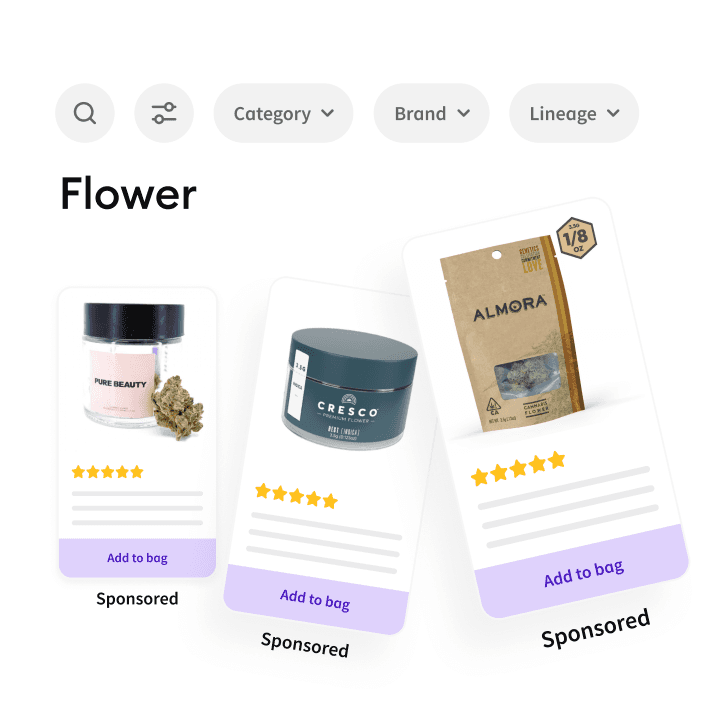
Drive growth with targeted advertising and premium menu placements that influence high-intent shoppers from discovery to checkout.
MyHigh
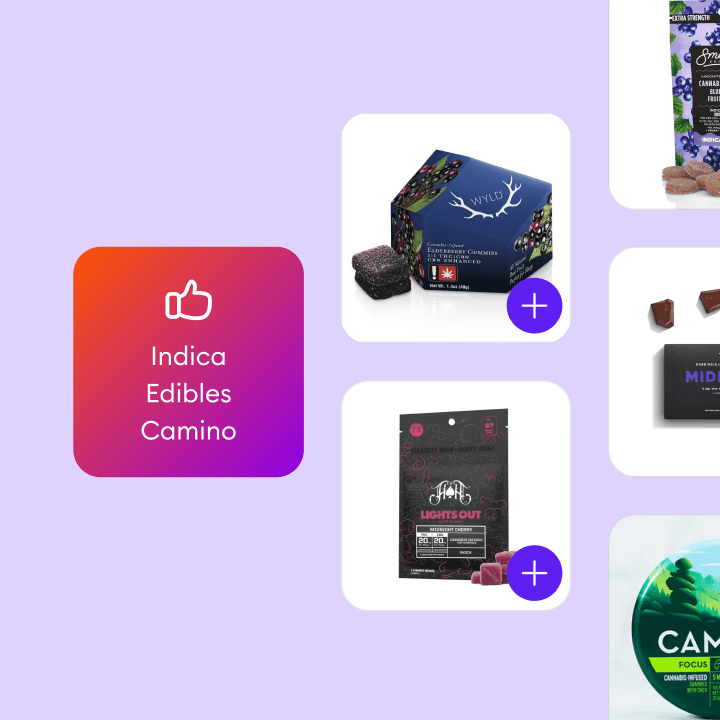
Create personalized shopping journeys with AI that learns each customer’s preferences and guides them to the right products faster.