



MCP stands for Model Context Protocol, an open standard introduced by Anthropic in late 2024 that gives AI assistants a common way to connect to the systems where data actually lives. Before MCP, every connection between an AI model and a business tool required custom integration work. Now, a platform can publish an MCP server, and any compatible AI client (e.g. Claude, ChatGPT, Gemini) can connect to it.
For a cannabis retailer, that means the AI assistant you already use could answer questions about your own specific menus, carts, settings, change history, and more. It wouldn’t require any complicated language or a specific dashboard in order to find the answers for you.
You'll probably hear about MCPs a lot in the coming year both across cannabis retail tech and well beyond it. The term is new enough that it can sometimes sound like a shiny new feature, but it’s actually a gateway to gaining a deeper understanding of and control over your business.
Why data structure decides answer quality
Large language models (LLMs) are excellent at reasoning over information they can see, and infamously willing to improvise (also referred to as “hallucinating”) when they can't. They can, however, become useful analysts once you’re able to connect them to a clean, normalized dataset. Fragmented or inconsistent records, or dirty data, only enable the models to regurgitate incorrect information to you with false confidence.
This is why the data source and structure are the key factors in a high-quality MCP. Cannabis retail data is famously messy: the same product often has different names, weights, and lineages associated with it across POS systems, feeds, and menus. Jane has spent a decade normalizing the chaos of this data; cleansing and identifying individual SKUs in real time is the foundation the entire Jane ecosystem is built on. The Jane Catalog exists so that when any retail system asks, "What is this product?" there's one verified answer.
Laying a standardized and accurate foundation enables an AI connection to do so much more. When it has structured data to go on, an MCP can return not only a summary of its findings, but also more sound reasoning behind an answer.
Three questions to ask before you turn one on
As MCPs arrive across your software stack, a short checklist will tell you which ones are ready for real operational work.
What data does it stand on? Ask whether the underlying dataset is normalized and verified, or whether the MCP is passing along raw records and letting the model sort it out. If you know the data is clean, you can rely more confidently on what your AI tells you.
How is access scoped? An MCP should reflect the same permissions you already manage; it should only be able to see information that you are also allowed to see. Any system that requires a new, parallel permission system poses a privacy and governance risk.
Are the tools shaped like your work? A thin wrapper over an API can technically answer questions, but it forces the model to stitch together raw endpoints and hope for the best. Purpose-built diagnostic workflows (e.g. trace this cart, audit this menu, compare these two stores) produce answers with reasoning attached, because they were originally designed around the question you're actually asking.
What's coming to the Jane ecosystem
Jane has been running an internal MCP for months. Our own support and operations teams use it every day to diagnose technical issues: are hours and settings configured the same way across these twelve stores, why is this deal applying at one location and not another, how do delivery settings differ between two locations, what changed on this store last week. These tools were built by our team and hardened against thousands of real partner questions.
This fall, we're opening that same capability to a small group of retail partners in a read-only beta. You can connect Jane to your AI client, sign in with your existing Jane credentials, and ask about your own stores in plain language. Access is scoped by the permissions you already have and the tools are the same diagnostic workflows our team uses to help you, including menu audits, cart exploration, store comparisons, and change history.
Making the intelligence inside the Jane ecosystem — over a decade of structured, verified retail data — directly available to the people running stores on it. If you'd like to be considered for beta access, reach out to your Partner Success representative directly or at partnersuccess@iheartjane.com.
MCP is an open standard that connects AI assistants to business systems.
Answer quality is reliant on data structure. Clean, normalized data produces accurate answers and high-quality reasoning; fragmented data produces confident and often incorrect guesses.
Evaluate an MCP on three things: the dataset it refers to, how access is decided, and whether its tools match workflows you would actually use.
Jane is opening its internally proven MCP to retail partners in a read-only beta this fall. Reach out to Partner Success at partnersuccess@iheartjane.com.
Jarred Humphrey
Sr. Director of Engineering
Jarred oversees Jane's platform engineering teams that build all of our APIs, SDKs, and data solutions. With 15+ years of experience across ads, data, and commerce domains, he focuses on building sustainable products that are easy for partners to use and integrate with in the long term.

Andy Livingston
SVP of Product
Andy is a software engineer turned product leader with 15 years of experience, currently overseeing product management, machine learning, and marketing at Jane.
Explore more

Ecommerce Premium
Grow online with a fully automated, branded storefront, smarter menus powered by AI, and built-in revenue drivers like MyHigh & Jane Gold.
Media
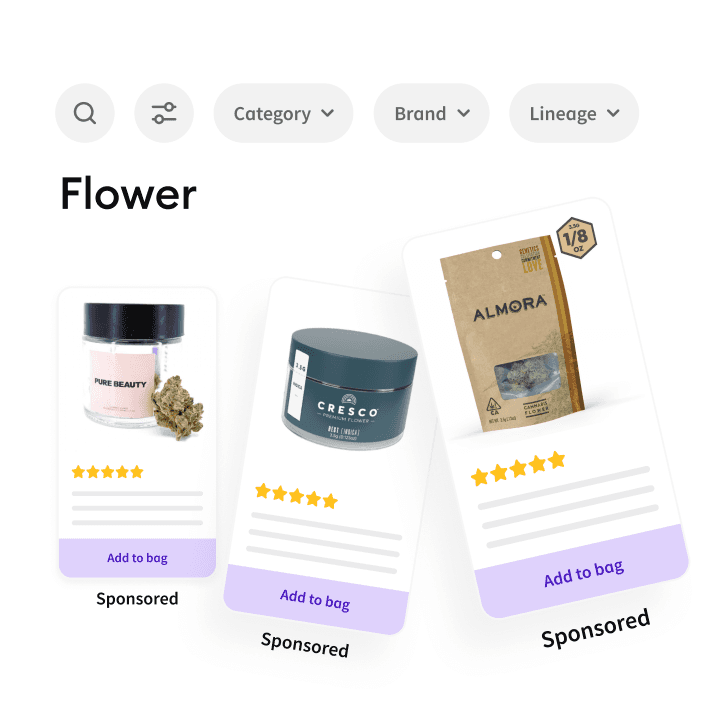
Drive growth with targeted advertising and premium menu placements that influence high-intent shoppers from discovery to checkout.
MyHigh
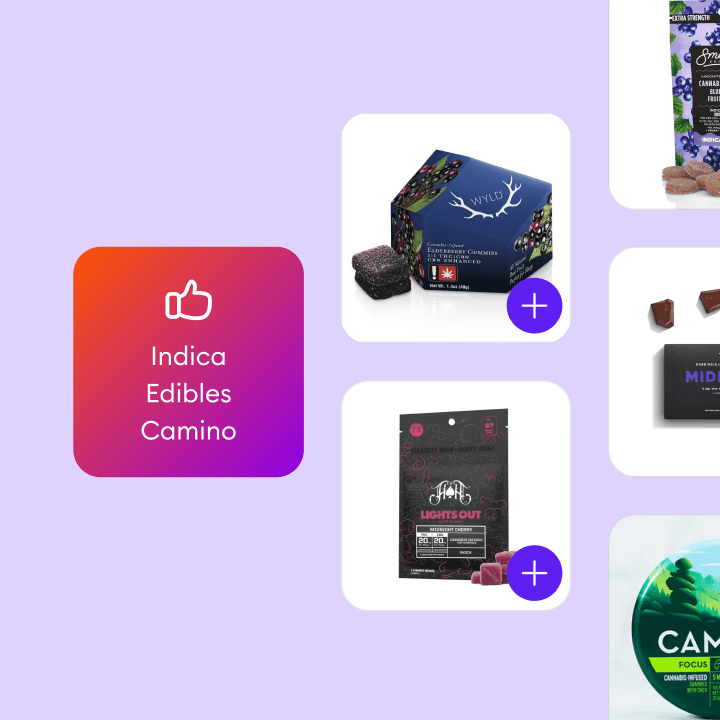
Create personalized shopping journeys with AI that learns each customer’s preferences and guides them to the right products faster.