
March 24, 2026
March 24, 2026
March 24, 2026
How smart dispensaries are winning 4/20 — before April 20th
How smart dispensaries are winning 4/20 — before April 20th
How smart dispensaries are winning 4/20 — before April 20th


Contributors: Matt Cangiamilla, Diana Hansen
Contributors: Matt Cangiamilla, Diana Hansen
Contributors: Matt Cangiamilla, Diana Hansen
Est. reading time: 4 min
Est. reading time: 4 min
Est. reading time: 4 min
Last year, 4/20 generated $167 million in U.S. cannabis retail sales in a single day — a 133% lift over April's daily average. For cannabis retail operators, it's the industry equivalent of Black Friday — the one moment on the retail calendar where consumers are actively searching, deciding, and spending more than usual.
Last year, 4/20 generated $167 million in U.S. cannabis retail sales in a single day — a 133% lift over April's daily average. For cannabis retail operators, it's the industry equivalent of Black Friday — the one moment on the retail calendar where consumers are actively searching, deciding, and spending more than usual.
But here's what the data shows: the dispensaries that capture the biggest share of that day's revenue aren't the ones with the most foot traffic potential or the largest marketing budgets. They're the ones that started moving four to six weeks earlier.
But here's what the data shows: the dispensaries that capture the biggest share of that day's revenue aren't the ones with the most foot traffic potential or the largest marketing budgets. They're the ones that started moving four to six weeks earlier.
By the day of April 20th, most purchase decisions have already been made. The window to influence them is before.
By the day of April 20th, most purchase decisions have already been made. The window to influence them is before.
In this article:
In this article:
Why 4/20 is won before 4/20
Why 4/20 is won before 4/20
Consider how cannabis consumers actually shop for the holiday. They're most likely not walking past a store on April 20th and deciding to stop in on a whim. They're researching products, comparing dispensaries, and identifying deals online before they ever leave the house — browsing menus on their phones days in advance, responding to ads that surfaced products they hadn't considered, redeeming deals they bookmarked the week before.
Consider how cannabis consumers actually shop for the holiday. They're most likely not walking past a store on April 20th and deciding to stop in on a whim. They're researching products, comparing dispensaries, and identifying deals online before they ever leave the house — browsing menus on their phones days in advance, responding to ads that surfaced products they hadn't considered, redeeming deals they bookmarked the week before.
More than 80% of cannabis ecommerce traffic comes from mobile, which means the shopping experience begins well before the transaction. Operators who treat 4/20 as a one-day event often end up competing on price alone, racing other dispensaries for the same last-minute shoppers. The ones who treat it as a multi-week campaign show up earlier in the decision process, when there's still room to influence where consumers spend.
More than 80% of cannabis ecommerce traffic comes from mobile, which means the shopping experience begins well before the transaction. Operators who treat 4/20 as a one-day event often end up competing on price alone, racing other dispensaries for the same last-minute shoppers. The ones who treat it as a multi-week campaign show up earlier in the decision process, when there's still room to influence where consumers spend.
The limits of owned channels
The limits of owned channels
Email lists and social followers are valuable, but they represent the customers a dispensary already has. On 4/20, the revenue upside comes from two audiences owned channels mostly can't reach: new shoppers who haven't heard of the store yet, and lapsed customers who haven't visited recently. Both groups are reachable, but neither will find their way through an existing email list.
Email lists and social followers are valuable, but they represent the customers a dispensary already has. On 4/20, the revenue upside comes from two audiences owned channels mostly can't reach: new shoppers who haven't heard of the store yet, and lapsed customers who haven't visited recently. Both groups are reachable, but neither will find their way through an existing email list.
Online channels now represent 25–30% of dispensary revenue — and as much as 50% for top performers. That share of revenue is being won or lost based on whether a dispensary has advertising reach beyond its owned audience. This requires advertising presence beyond the dispensary's website and menu — specifically, the ability to put offers in front of high-intent cannabis consumers as they're browsing the open web in the weeks leading up to the holiday. That's where the volume is, and that's where the decisions are being made.
Online channels now represent 25–30% of dispensary revenue — and as much as 50% for top performers. That share of revenue is being won or lost based on whether a dispensary has advertising reach beyond its owned audience. This requires advertising presence beyond the dispensary's website and menu — specifically, the ability to put offers in front of high-intent cannabis consumers as they're browsing the open web in the weeks leading up to the holiday. That's where the volume is, and that's where the decisions are being made.
How high-performing dispensaries are capturing new shoppers
How high-performing dispensaries are capturing new shoppers
The most effective 4/20 campaigns have a few things in common.
The most effective 4/20 campaigns have a few things in common.
They start early. Research from Magna shows that in-market audiences need as few as four ad exposures to register meaningful purchase intent lift — but that frequency takes time to build. Campaigns running three or more weeks before 4/20 consistently outperform last-minute launches because they have time to reach the same shopper more than once before the holiday, which is what moves purchase intent.
They target by behavior. Reaching cannabis consumers who are actively researching products and dispensaries (not just anyone within a five-mile radius) dramatically improves conversion. The right targeting means advertising budget goes toward people who are already close to a decision.
They measure what actually worked. The campaigns that inform better decisions next year are the ones where operators can tie a specific ad impression to a specific order. Attribution isn't a nice-to-have; it's how operators know whether 4/20 advertising spend generated real revenue.
Off-Menu Advertising through the Jane ecosystem makes all three of these possible — reaching high-intent shoppers across the open web, using behavioral targeting refined against real cannabis purchase data, and delivering attribution that connects campaign spend to verified orders. Dispensaries using it heading into 4/20 are building a measurable system with their advertising strategy.
Off-Menu Advertising through the Jane ecosystem makes all three of these possible — reaching high-intent shoppers across the open web, using behavioral targeting refined against real cannabis purchase data, and delivering attribution that connects campaign spend to verified orders. Dispensaries using it heading into 4/20 are building a measurable system with their advertising strategy.
Once shoppers land on the menu, make sure the right products win
Once shoppers land on the menu, make sure the right products win
There's a second opportunity that operators often underestimate: what happens after the advertising works. Once a shopper arrives on a dispensary's menu, the products they encounter first have a disproportionate influence on what ends up in their cart. On a day when menu traffic is at its annual peak, that first impression is doing a lot of work — and a generic, one-size-fits-all menu is leaving conversion on the table at exactly the wrong moment. 71% of consumers expect personalized interactions, and 76% say they become frustrated when a shopping experience isn't tailored to them: a dynamic that's just as true on a cannabis menu as anywhere else in retail.
There's a second opportunity that operators often underestimate: what happens after the advertising works. Once a shopper arrives on a dispensary's menu, the products they encounter first have a disproportionate influence on what ends up in their cart. On a day when menu traffic is at its annual peak, that first impression is doing a lot of work — and a generic, one-size-fits-all menu is leaving conversion on the table at exactly the wrong moment. 71% of consumers expect personalized interactions, and 76% say they become frustrated when a shopping experience isn't tailored to them: a dynamic that's just as true on a cannabis menu as anywhere else in retail.
This is where AI-powered personalization changes the math. MyHigh from Jane learns from each shopper's purchase history, browsing behavior, and preference signals to reorder and surface products in real time — so the shopper who consistently buys indica-dominant vapes sees a fundamentally different menu than the one who gravitates toward low-dose edibles and topicals. Both see a menu that feels built for them, without any manual curation required from the operator.
This is where AI-powered personalization changes the math. MyHigh from Jane learns from each shopper's purchase history, browsing behavior, and preference signals to reorder and surface products in real time — so the shopper who consistently buys indica-dominant vapes sees a fundamentally different menu than the one who gravitates toward low-dose edibles and topicals. Both see a menu that feels built for them, without any manual curation required from the operator.
On 4/20, this matters more than on any other day. Higher traffic means more behavioral data for the system to work with, which means better personalization precisely when it has the most opportunities to convert. Dispensaries running MyHigh heading into the holiday are set up to extract more value from every visit within the traffic spike.
On 4/20, this matters more than on any other day. Higher traffic means more behavioral data for the system to work with, which means better personalization precisely when it has the most opportunities to convert. Dispensaries running MyHigh heading into the holiday are set up to extract more value from every visit within the traffic spike.
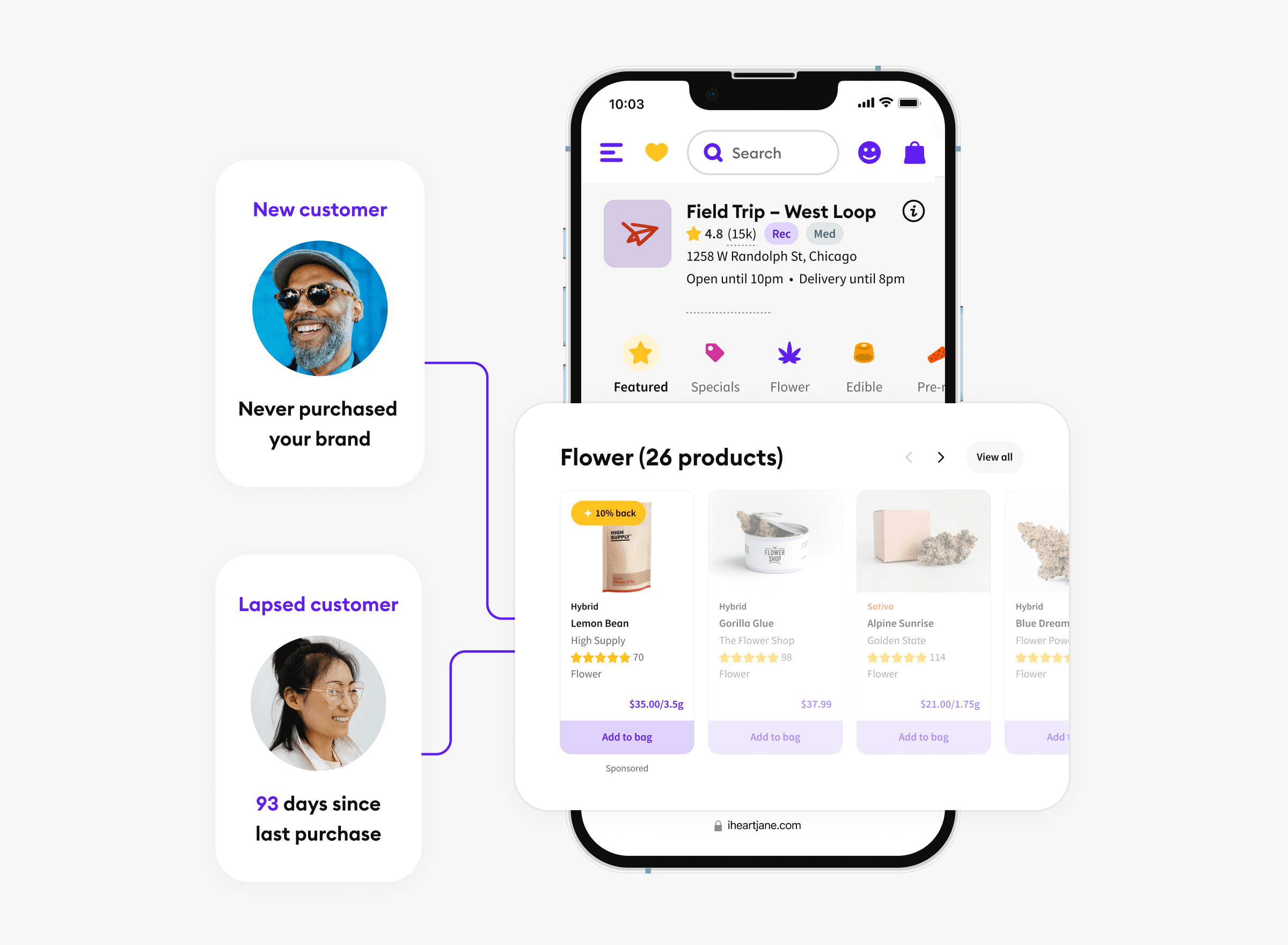
Promotions strategy is the other place operators most commonly leave money on the table. Running a blanket discount across all products on 4/20 guarantees reducing your margins on every transaction, including from loyal customers who would have bought at full price anyway. The smarter approach is targeted promotions: using features like Jane Gold segmentation to identify which shoppers need more incentive to act (i.e. lapsed customers, segments who haven't tried a specific brand, etc.) and reserving promotional pricing for those groups. Full-price customers stay at full price. The result is the same sales volume at with much better margins, with promotional spend going toward the shoppers it’s most impactful for.
Promotions strategy is the other place operators most commonly leave money on the table. Running a blanket discount across all products on 4/20 guarantees reducing your margins on every transaction, including from loyal customers who would have bought at full price anyway. The smarter approach is targeted promotions: using features like Jane Gold segmentation to identify which shoppers need more incentive to act (i.e. lapsed customers, segments who haven't tried a specific brand, etc.) and reserving promotional pricing for those groups. Full-price customers stay at full price. The result is the same sales volume at with much better margins, with promotional spend going toward the shoppers it’s most impactful for.
For operators who want an additional layer of visibility for specific 4/20 promotions or brand partnerships, On-Menu Merchandising ensures featured products get seen. But the foundation that converts browsers into buyers across the full menu is a shopping experience that adapts to the individual. The advertising brings shoppers in. Personalization closes the sale.
For operators who want an additional layer of visibility for specific 4/20 promotions or brand partnerships, On-Menu Merchandising ensures featured products get seen. But the foundation that converts browsers into buyers across the full menu is a shopping experience that adapts to the individual. The advertising brings shoppers in. Personalization closes the sale.
Takeaways and a pre-4/20 checklist for operators
Takeaways and a pre-4/20 checklist for operators
For dispensaries planning their 4/20 campaign now, here's what a solid preparation timeline looks like:
For dispensaries planning their 4/20 campaign now, here's what a solid preparation timeline looks like:
Finalize 4/20 promotional offers and decide who they go to — blanket discounts compress margins on customers who would have bought at full price anyway; use Jane Gold segmentation to target promotions at lapsed customers and price-sensitive audiences, not your full base.
Confirm the menu is accurate — clean catalog data, correct inventory, and real-time product availability matter more on high-traffic days than any other
Launch Off-Menu Advertising at least three weeks before 4/20 — enough runway to build frequency with the shoppers operators are trying to reach before they've made their decision
Enable MyHigh personalization before traffic peaks — the system improves as it learns, so dispensaries that have it running in the weeks before 4/20 will see sharper, more conversion-ready menus when volume is at its highest.
Set featured placement for 4/20 hero products — ensure promoted products and brand partnerships are visible the moment shoppers arrive
Finalize 4/20 promotional offers and decide who they go to — blanket discounts compress margins on customers who would have bought at full price anyway; use Jane Gold segmentation to target promotions at lapsed customers and price-sensitive audiences, not your full base.
Confirm the menu is accurate — clean catalog data, correct inventory, and real-time product availability matter more on high-traffic days than any other
Launch Off-Menu Advertising at least three weeks before 4/20 — enough runway to build frequency with the shoppers operators are trying to reach before they've made their decision
Enable MyHigh personalization before traffic peaks — the system improves as it learns, so dispensaries that have it running in the weeks before 4/20 will see sharper, more conversion-ready menus when volume is at its highest.
Set featured placement for 4/20 hero products — ensure promoted products and brand partnerships are visible the moment shoppers arrive
The dispensaries that win 4/20 treat it as the payoff of a multi-week campaign, where advertising reach, personalized conversion, and measurable attribution all work together. The window to build that is still open (but not for long).
The dispensaries that win 4/20 treat it as the payoff of a multi-week campaign, where advertising reach, personalized conversion, and measurable attribution all work together. The window to build that is still open (but not for long).
Was this article helpful to you?
Was this article helpful to you?
About our contributors
About our contributors
Matt Cangiamilla
Sr Director, Revenue & Partner Success
A specialist in Jane Ecommerce and POS ecosystems, Matt leverages his background in payments and operations to help retail partners transform their digital storefronts into high-growth engines through relentless execution and data-driven strategy.

Diana Hansen
Director of Product, Platform, and DM
Diana has over a decade of experience building and launching data-driven products across industries. Now in the cannabis space, she loves bringing analytical rigor and merchandising strategy to help dispensaries turn their menus into revenue-driving machines.
Explore more
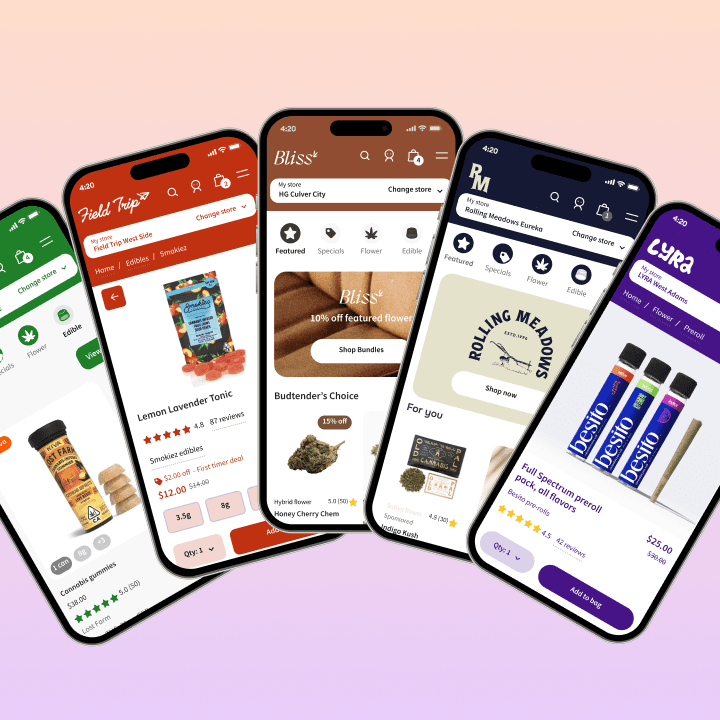
Ecommerce Premium
Grow online with a fully automated, branded storefront, smarter menus powered by AI, and built-in revenue drivers like MyHigh & Jane Gold.
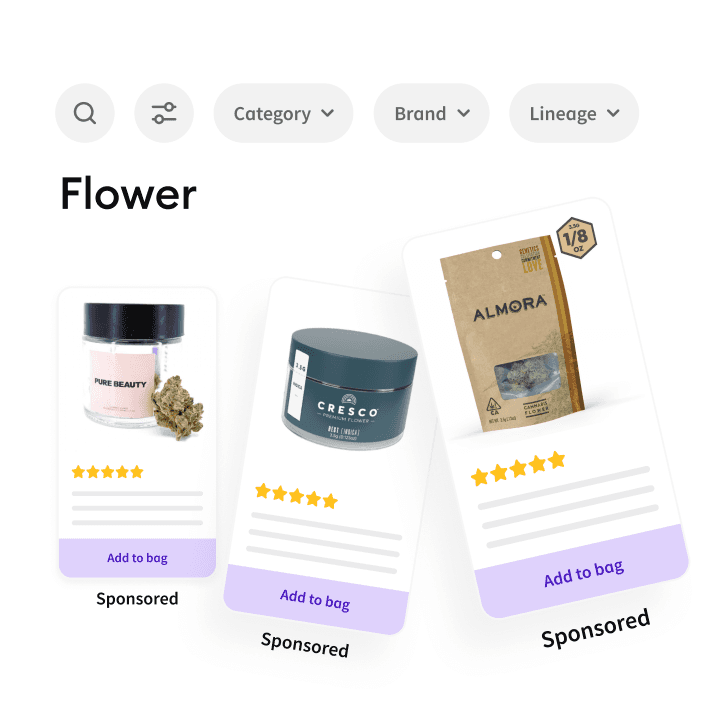
Media
Drive growth with targeted advertising and premium menu placements that influence high-intent shoppers from discovery to checkout.
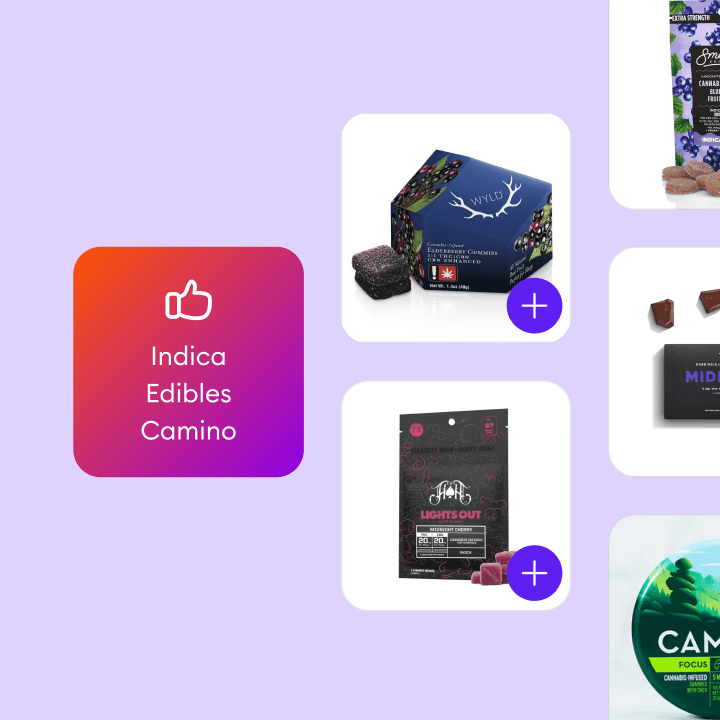
MyHigh
Create personalized shopping journeys with AI that learns each customer’s preferences and guides them to the right products faster.